
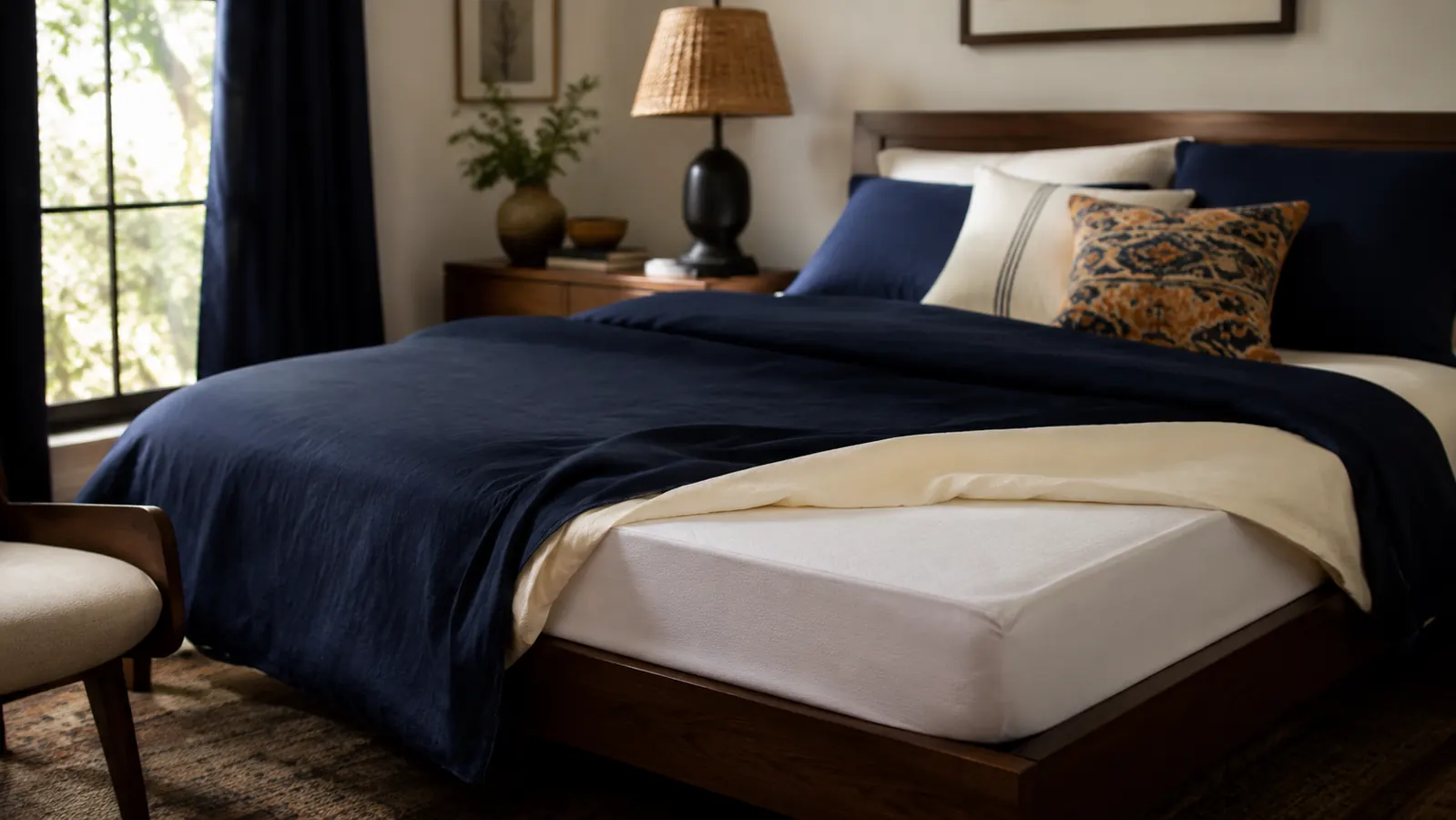
I've put a lot of things on our bed over the years, a humidifier on the nightstand, blackout curtains overhead, but the piece that quietly does the most work is the one nobody sees. My partner and I have had a Linenspa waterproof mattress protector on our queen mattress for months now, through an irregular sleep schedule, plenty of wash cycles, and at least one incident I'll get to further down. I keep landing on the same conclusion. It's the cheapest insurance policy in the entire bedroom, and most people wait until after something's gone wrong to buy one.
This isn't a full review. I already wrote the long version of that, month by month, in my long-term Linenspa review. This is the shorter case, ten specific reasons a mattress needs a waterproof protector under the sheets, whether or not anything has gone wrong on your bed yet. Some of these reasons are about protecting money you've already spent on a mattress. A few are about protecting money you haven't spent yet. All ten are reasons I'd tell a friend before they buy their next mattress, not after.
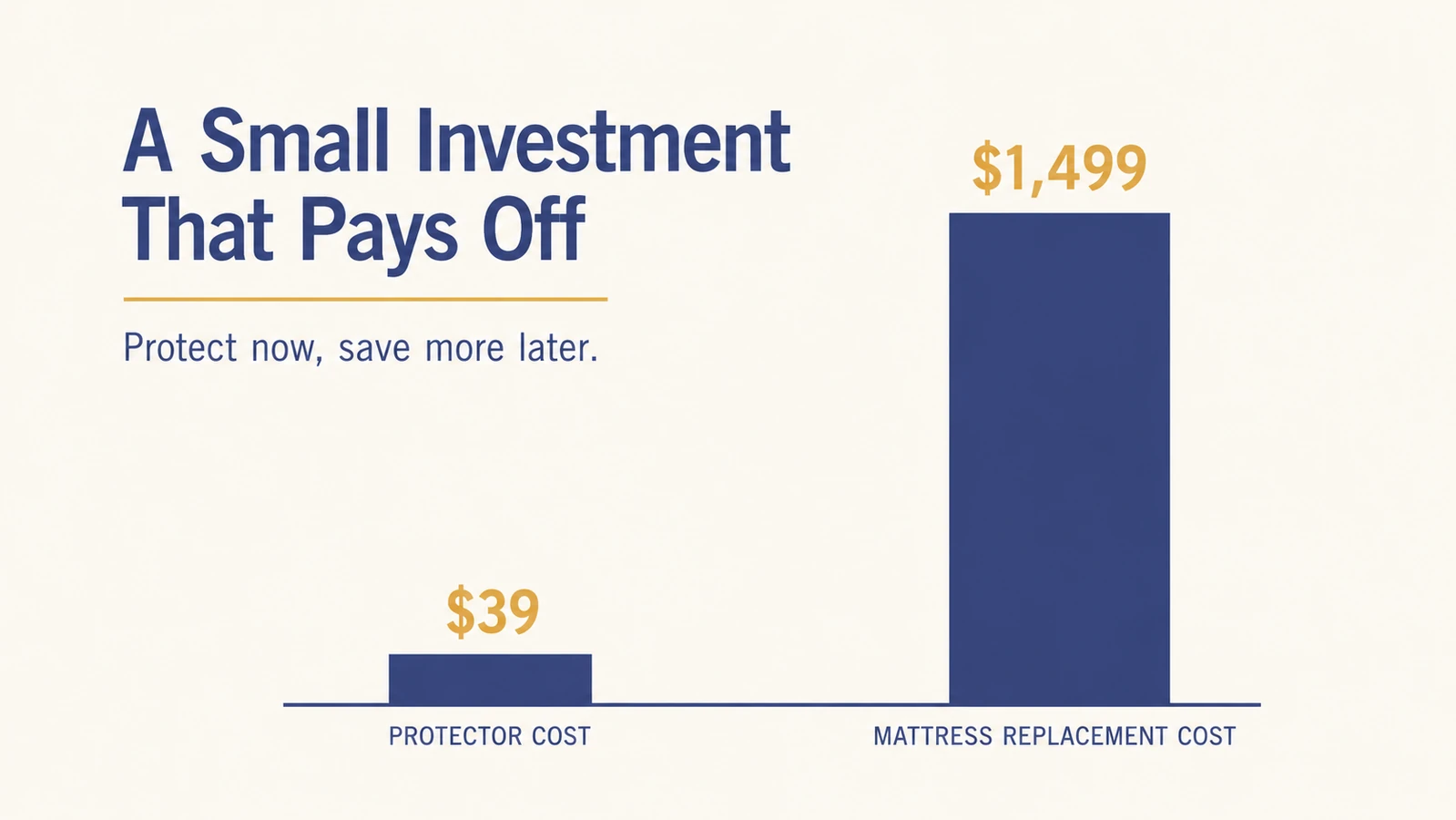
A $19 layer that protects a mattress worth ten times that
If you're weighing whether a mattress protector is worth adding to the cart, the math is simple. A waterproof Linenspa protector costs a small fraction of what a new mattress does, and it's doing its job every single night whether you notice it or not.
Amazon Check Today's Price on Amazon →It Keeps Your Mattress Warranty Actually Valid
Most mattress warranties have a clause that voids coverage the moment there's a visible stain on the surface, spill, sweat, anything at all. Manufacturers can and do deny claims over this. A fitted waterproof protector sits between you and that fine print, so if the mattress ever needs a warranty claim for sagging or a defect down the road, the surface underneath still looks the way it did the day it arrived. You're not just buying comfort, you're keeping the paperwork on your side.
It Catches Spills Before They Become Mattress Problems
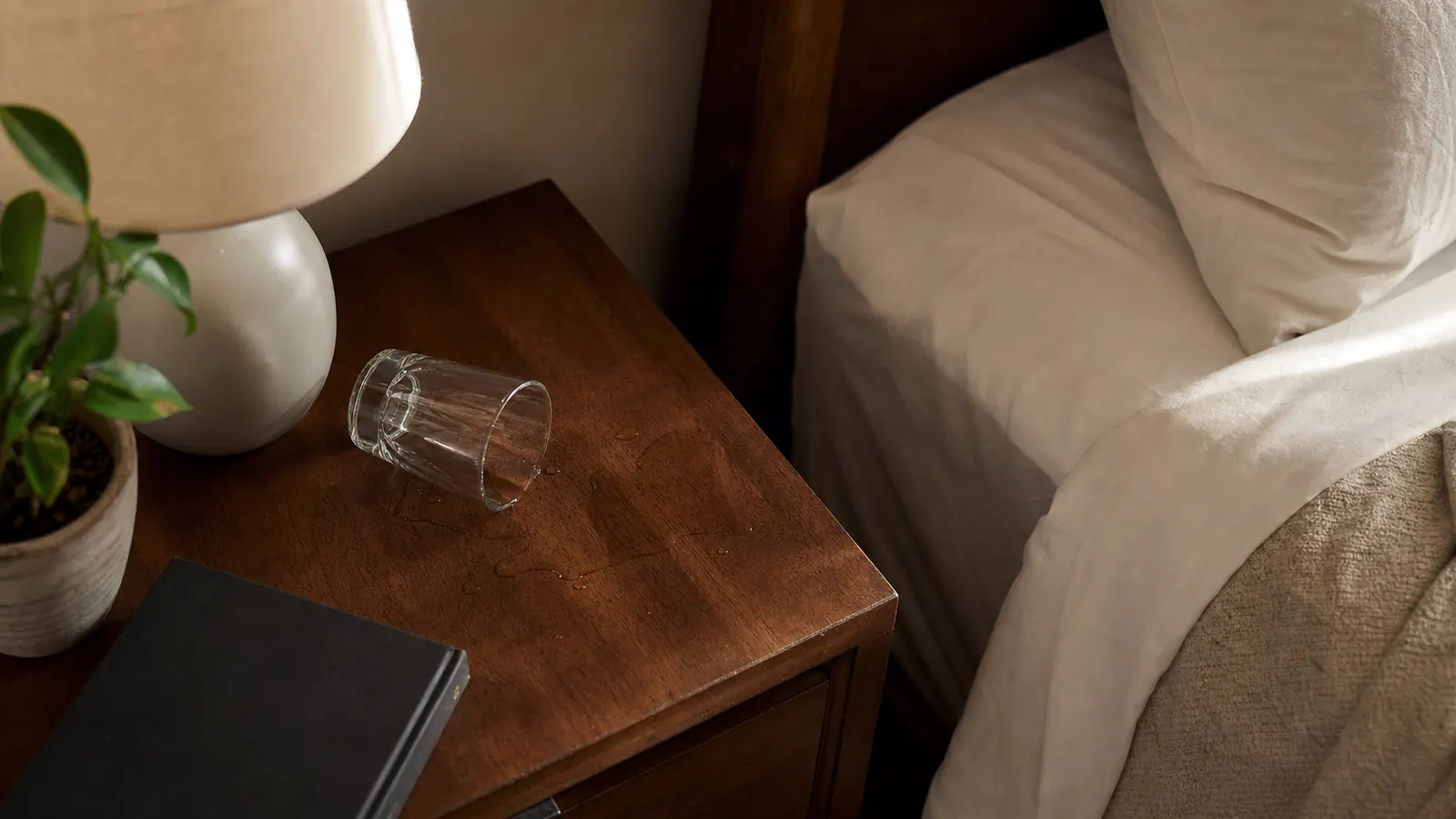
A glass of water on the nightstand, a mug set down wrong, a late-night drink that tips over while you're half asleep. None of that is rare, and once liquid soaks into a bare mattress it's very hard to fully undo. A waterproof protector stops the spill at the surface, which buys you the time to blot it up calmly instead of scrambling. I walked through exactly how to handle an in-progress spill at <a href="/how-to-protect-your-mattress-from-spills">how to protect your mattress from spills</a>, but the protector is what makes that whole process possible in the first place.
It Handles a Hot Summer Better Than Bare Fabric
Night sweats happen, especially if you run hot or keep irregular hours where your body never quite settles into a normal temperature rhythm. A bare mattress top soaks that moisture straight into the foam or padding, where it sits and doesn't fully dry between nights. A waterproof protector keeps that moisture on the surface instead, where it gets wiped away or washed out with the sheets. The mattress itself stays dry underneath, which matters more over a long hot stretch than most people expect.
It Protects a Guest Room Bed That Sits Unused
A guest room mattress often goes months between visitors, and it's easy to assume nothing happens to a bed nobody's sleeping on. But dust settles, humidity shifts, and the one weekend it does get used is usually the one weekend you didn't plan for, a visiting relative, a sick friend staying over, a kid's sleepover that ends up in the guest room instead. Putting a protector on a bed you rarely use costs almost nothing and means you're never caught off guard when it suddenly matters.
It Keeps Your Mattress Sellable When You Move
Selling a mattress secondhand, handing one down, or just wanting to move without dragging a stained one into a new bedroom all depend on the same thing, condition. A mattress that's spent its life under a waterproof protector looks and smells like it's barely been used, because in the way that matters, it hasn't been directly exposed to anything. That makes it easier to sell, easier to donate, and easier to feel fine about bringing along on a move instead of leaving it at the curb.
It Makes Cleanup a Wipe Instead of a Deep Clean
You can't spot-clean a mattress the way you can a countertop. Deep stains usually mean a slow-drying scrub with upholstery cleaner, a fan running for a full day, and still a faint mark or smell left behind. A waterproof protector turns that whole ordeal into stripping one fitted layer off the bed and running it through the wash like a regular sheet. The difference between those two cleanup jobs is the entire reason I bothered testing one long enough to write about it.
It's Cheaper Than Replacing the Mattress
A queen mattress runs anywhere from several hundred to well over a thousand dollars, and a single bad stain or ruined section can be enough to make you feel like you have to replace the whole thing early. A waterproof protector costs less than a nice dinner out and does the one job that actually prevents that outcome. Looked at that way, it's not really an accessory purchase. It's the cheapest form of mattress insurance you can buy, and it pays for itself the first time it actually catches something.
It Makes a Rough, Sick Night Easier to Get Through
A night with a fever means sweating through sheets, sometimes more than once before morning. Nobody wants to be stripping and remaking a bed at 3 a.m. while feeling terrible, and nobody wants to worry about what's soaking into the mattress while they're too worn out to deal with it. With a waterproof layer underneath, you can pull the top sheet, wipe the protector down or toss it in the wash, and remake the bed in a few minutes instead of dreading the whole process.
It Keeps Your Fitted Sheet From Sliding Around
A protector with a proper elastic pocket does more than block moisture, it gives your regular fitted sheet something snug to grip onto instead of a slick bare mattress surface. I noticed this within the first week, our fitted sheet stopped popping loose at the corners the way it used to on bare foam. It's a small thing, but if you've ever woken up with a bunched sheet under your shoulder, a protector underneath quietly fixes that too, as a side effect of doing its main job.
It's Actually Easy to Strip and Wash
A lot of people skip mattress protectors because they picture a stiff, crinkly plastic sheet that's a hassle to deal with on wash day. The fitted, machine washable and dryer safe styles have moved past that. Stripping it off takes about as long as stripping a regular fitted sheet, and it goes through a normal cold wash and low dryer cycle without any special handling. If maintenance is the thing that's been holding you back, it's a much smaller chore than it sounds like on paper.
What I'd Skip
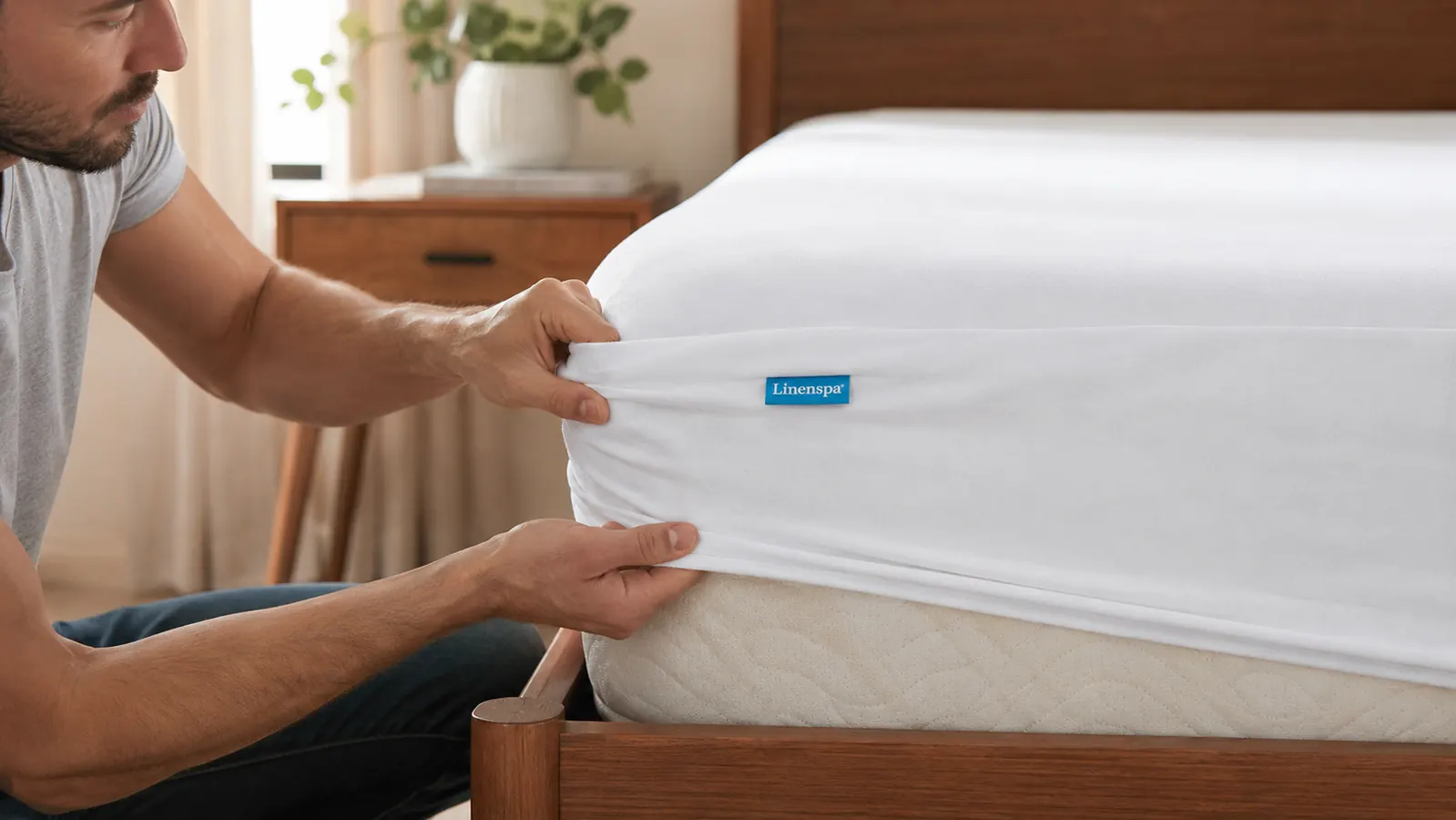
Two things I'd steer you away from. First, don't cheap out on a thin vinyl-backed protector that crinkles under you and traps heat, it'll end up in a drawer within a month regardless of price. Second, don't grab a protector without checking your mattress depth, a pocket that's too shallow will pop off the corners within days and defeat the entire point. The Linenspa protector I've referenced throughout this list is built as a fitted sheet with a full elastic pocket, which is the style worth looking for no matter which brand you land on.
You don't buy a mattress protector for the night everything goes right. You buy it for the one night it doesn't.
Ten reasons, one nineteen dollar fix
None of these ten reasons require anything going wrong tonight to matter. A waterproof protector just means that when something eventually does happen, spill, sweat, a sick night, a surprise guest, your mattress isn't the thing that pays for it.
Amazon Check Today's Price on Amazon →